01 · Check before cleaning
There is no single crystal-cleaning recipe.
Check the mineral name, any treatment disclosure and the specimen’s condition. A rough cluster may include several minerals, loose points, a coating or glue. Advice for a solid polished gem does not automatically apply to everything attached to it.
If the identity or condition is uncertain, leave washing and scrubbing until a mineral specialist can advise. Museum conservation guidance notes that even careful cleaning can cause damage.
Source: Canadian Conservation Institute: natural history collections ↗ (opens in a new tab)
When is water appropriate?
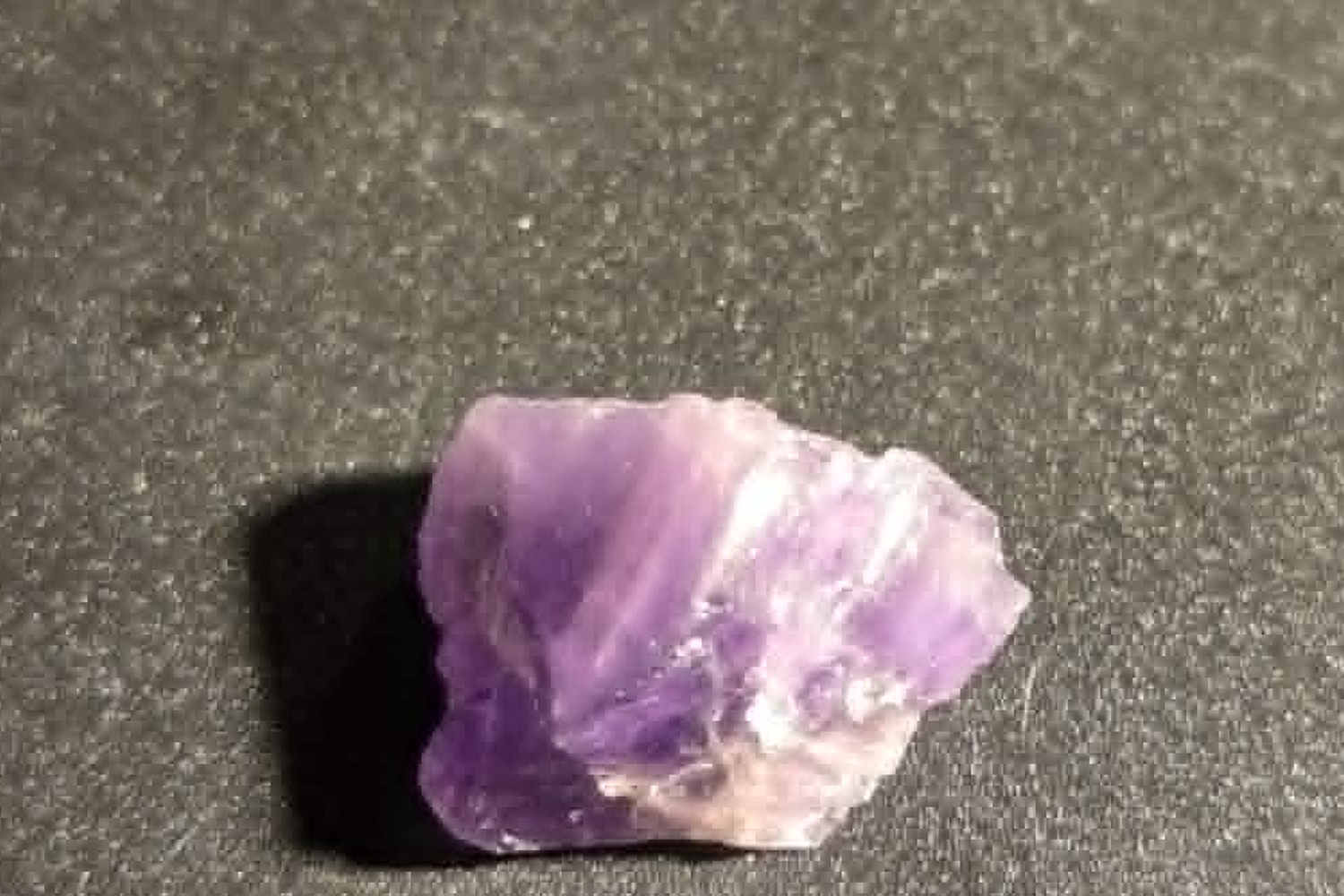
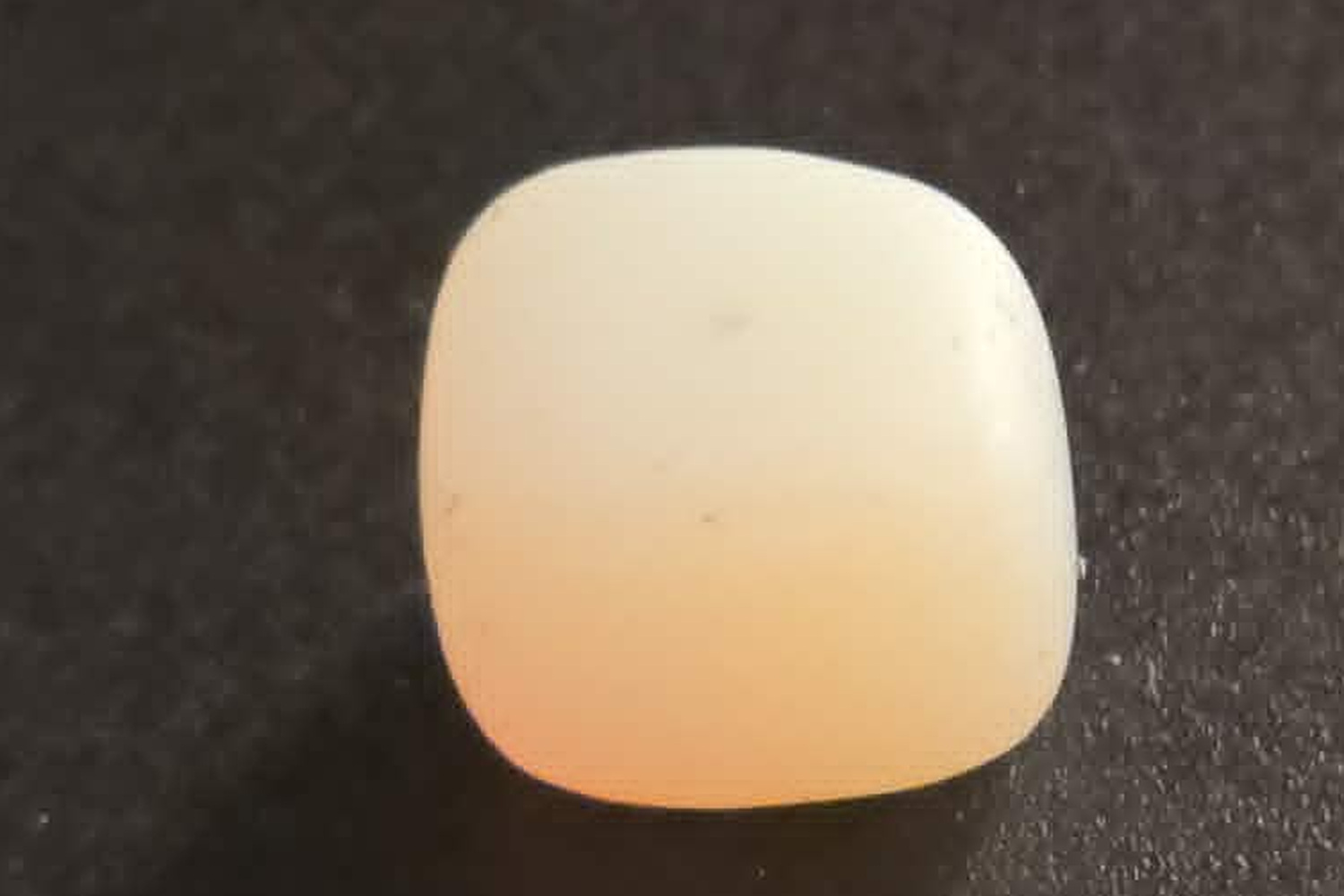
GIA recommends warm soapy water for amethyst and moonstone gems. That is material-specific advice, not permission to soak every stone. Check the individual guide and any treatments before introducing water.
For a confirmed suitable, sound specimen, use gentle cleaning and avoid abrupt temperature changes. Support it over a tray rather than an open drain. For a fragile, powdery or flaking surface, stop rather than trying harder brushing.
Skip the cleaning machine unless suitability is confirmed.
Ultrasonic vibration can harm vulnerable or treated gems. Steam adds heat. Do not choose either simply because a stone feels hard; ask a professional who knows the material and its condition.
02 · Pick the display spot
Bright enough to enjoy. Away from intense sun.
Keep light-sensitive specimens such as amethyst out of prolonged strong sunlight. Avoid hot windowsills, heaters and sudden changes between hot and cold surroundings. Fading and heat damage depend on the mineral and any treatments.
For a display collection, our practical starting point is a stable indoor spot with indirect light. Moving a specimen into sunlight is not a necessary cleaning step.
Source: GIA: amethyst stability and cleaning ↗ (opens in a new tab)
03 · Give each specimen space
Hardness is not the same as toughness.
Hardness describes resistance to scratches; toughness concerns breaking and chipping. A hard stone can still have delicate corners or fracture under a blow. Separate specimens so they cannot rub together, and protect exposed tips.
Source: GIA: understanding gem durability ↗ (opens in a new tab)
- Support a cluster from its base, not by a projecting crystal.
- Use individual compartments or stable supports; avoid packing material that snags fine points.
- Keep the original label, seller information and treatment notes with the specimen’s record.
- Check occasionally for loose fragments or a changing surface before handling or cleaning.
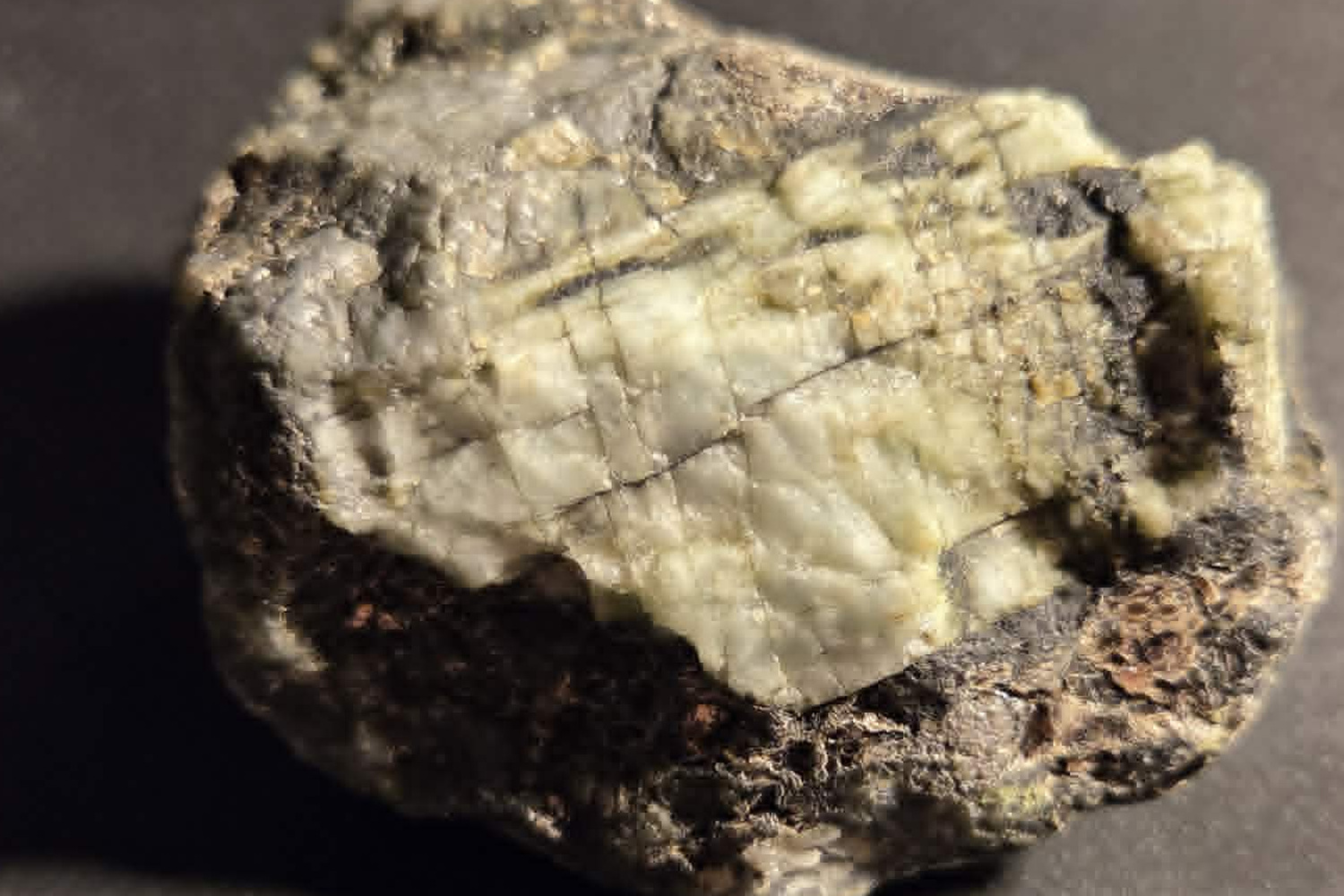
Humidity also matters. Pyrite can deteriorate in humid conditions. A changing or crumbling specimen needs material-specific advice rather than a universal storage rule.
Source: Canadian Conservation Institute: handling and environmental risks ↗ (opens in a new tab)
Read the Pyrite guide →