Reference guide · Rocks & natural glass
Lapis Lazuli
A mixture of minerals
A blue rock with a useful lesson: one stone can contain several different minerals.
Explore the guide27 guides · A closer look at the mineral world
Explore our 17 photographed specimens and ten general mineral reference guides. Compare visual clues, learn how to care for each material, and follow the stories on YouTube.
Collection pages use our original photographs and specimen labels. Reference guides describe minerals generally. Trade names and unverified identities are clearly noted.
Combine filters to narrow the guides. Effects and patterns refer to features discussed in the guides, not every possible appearance. Colours include bands, inclusions and flashes; they are browsing clues, not proof of identity. Collection tags follow our specimen descriptions; reference tags cover selected appearances. The UV photograph has its own category.
Showing all 27 guides. Choose a filter to start exploring.
27 of 27 mineral guides · 17 collection specimens · 10 reference guides

Quartz family
Look for a glassy, clear-to-milky body and the suggestion of six-sided crystal faces.
Explore the guide
Quartz family
Its soft rose-pink colour is usually cloudy and translucent rather than crystal clear.
Explore the guide
Quartz family
Look for purple colour that may deepen toward crystal tips or appear in distinct zones.
Explore the guide
Quartz family
This supplied specimen forms a warm yellow-orange cluster with a pale base and pointed Quartz crystals.
Explore the guide
Quartz family
Turn it in the light and watch for a silky golden band that moves across the brown surface.
Explore the guide
Quartz family
Translucent chalcedony surrounds green, brown, or dark inclusions that resemble mossy branches.
Explore the guide
Halide minerals
Look for glassy bands of purple, green, or clear colour and flat cleavage-like surfaces.
Explore the guide
Feldspars
A grey body suddenly flashes blue or multicoloured light when viewed from the right angle.
Explore the guide
Feldspars
Look for a pale feldspar body with a soft, floating glow that appears to move below the surface.
Explore the guide
Rocks & natural glass
Its deep black colour and smooth, glassy lustre can resemble a polished piece of dark bottle glass.
Explore the guide
Carbonate minerals
Vivid light-and-dark green curves, eyes, and bands make this material immediately distinctive.
Explore the guide
Quartz family
Look for a highly polished black surface, sometimes with subtle parallel banding or colour variation.
Explore the guide
Trade names
Pale sea-blue areas sit beside cream, tan, or white bands in this carved trade-name material.
Explore the guide
Beryl family
Search the rough matrix for green-to-bluish-green crystalline areas rather than a polished gem surface.
Explore the guide
Trade names
Bold yellow-to-orange bands alternate with black and grey areas like the markings of a bumble bee.
Explore the guide
Trade names
This photograph shows the collection specimen glowing in vivid colours under ultraviolet illumination.
Explore the guide
Trade names
The supplied carved tower has gentle pink-to-cream colour with soft internal patterning.
Explore the guideBeyond the collection
General guides with source links, separate from our photographed specimens.

Reference guide · Rocks & natural glass
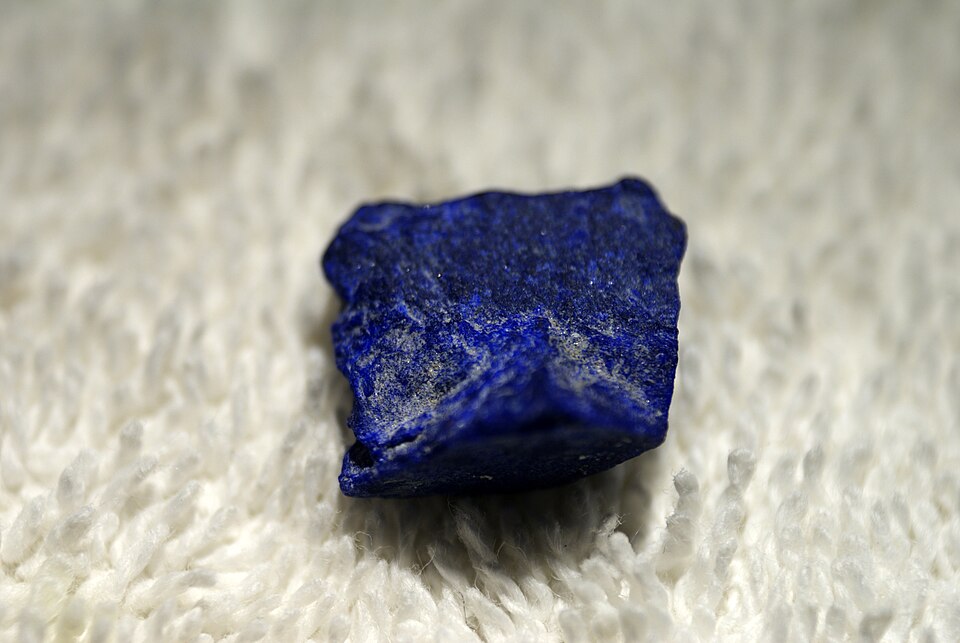
A mixture of minerals
A blue rock with a useful lesson: one stone can contain several different minerals.
Explore the guide
Reference guide · Sulphide minerals
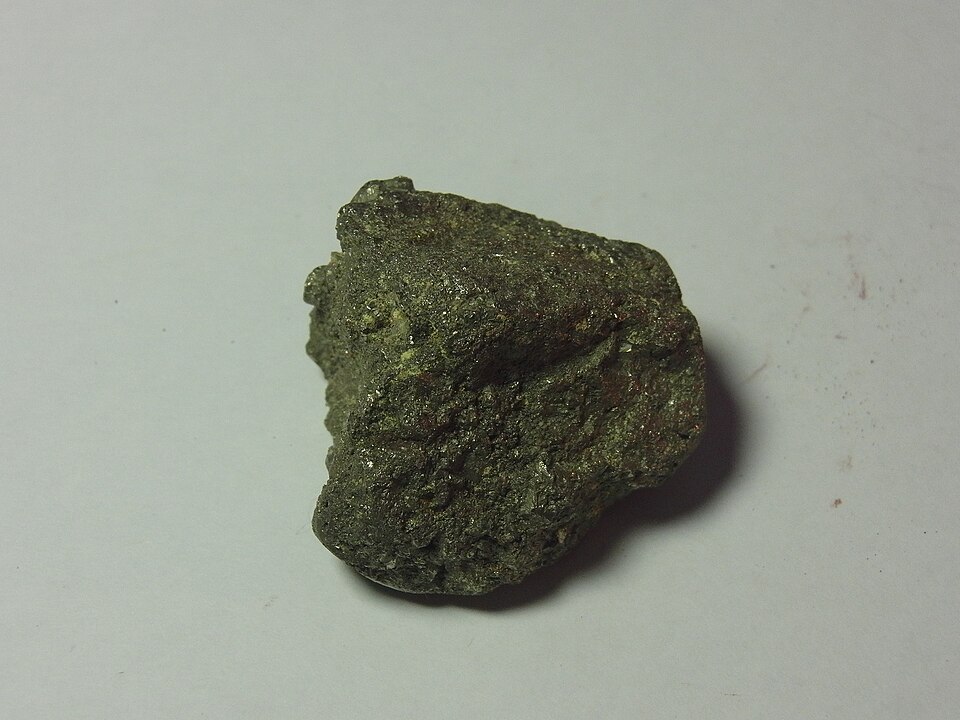
FeS₂
Brass-coloured shine and geometric crystals make this iron sulphide a memorable mineral.
Explore the guide
Reference guide · Oxide minerals
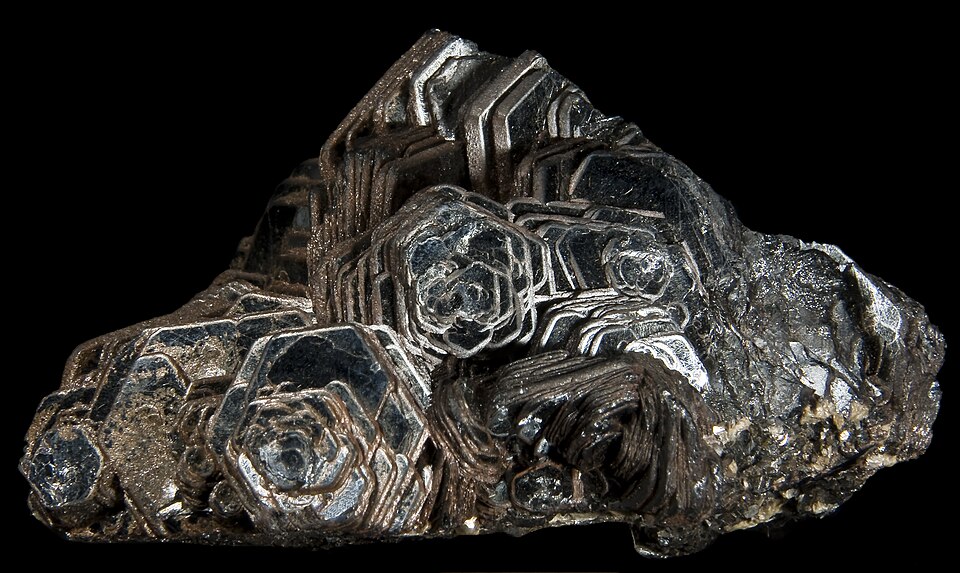
Fe₂O₃
Steel-grey shine and earthy red material can belong to the same iron oxide mineral.
Explore the guide
Reference guide · Quartz family
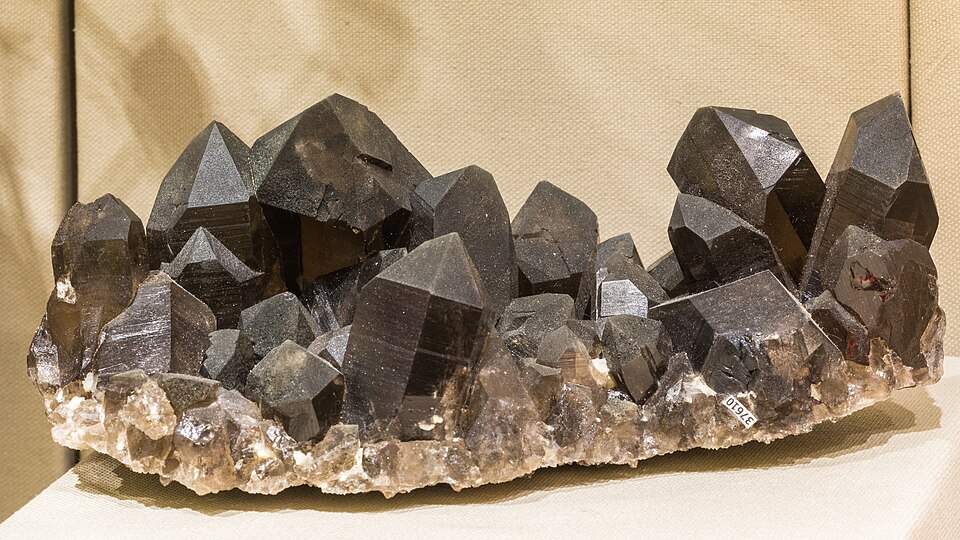
SiO₂
Brown-to-grey quartz connects familiar crystal shapes with the science of colour centres.
Explore the guide
Reference guide · Carbonate minerals
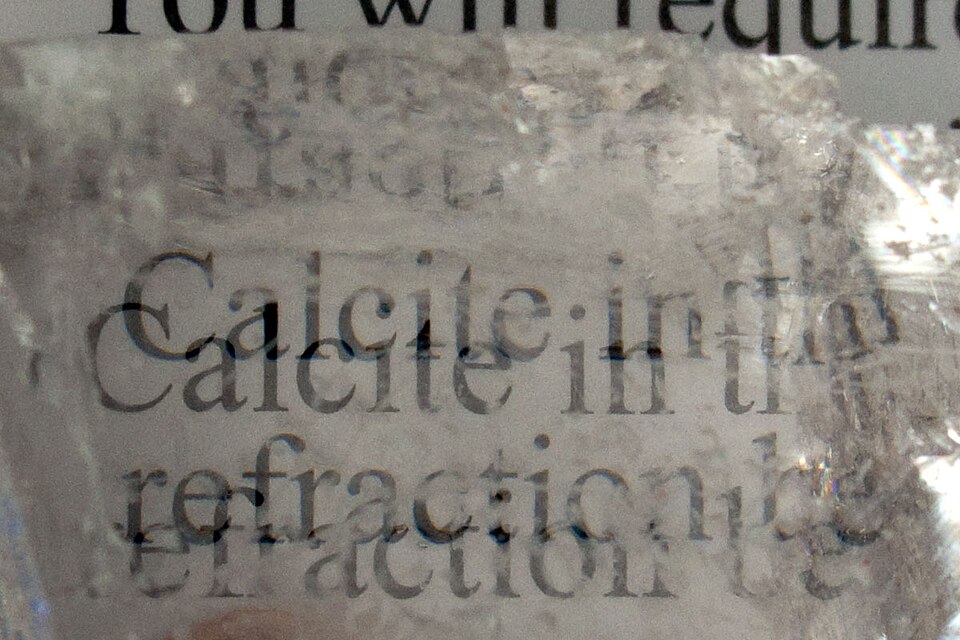
CaCO₃
A common carbonate with many crystal shapes—and a useful comparison for trade-name stones.
Explore the guide
Reference guide · Sulphate minerals
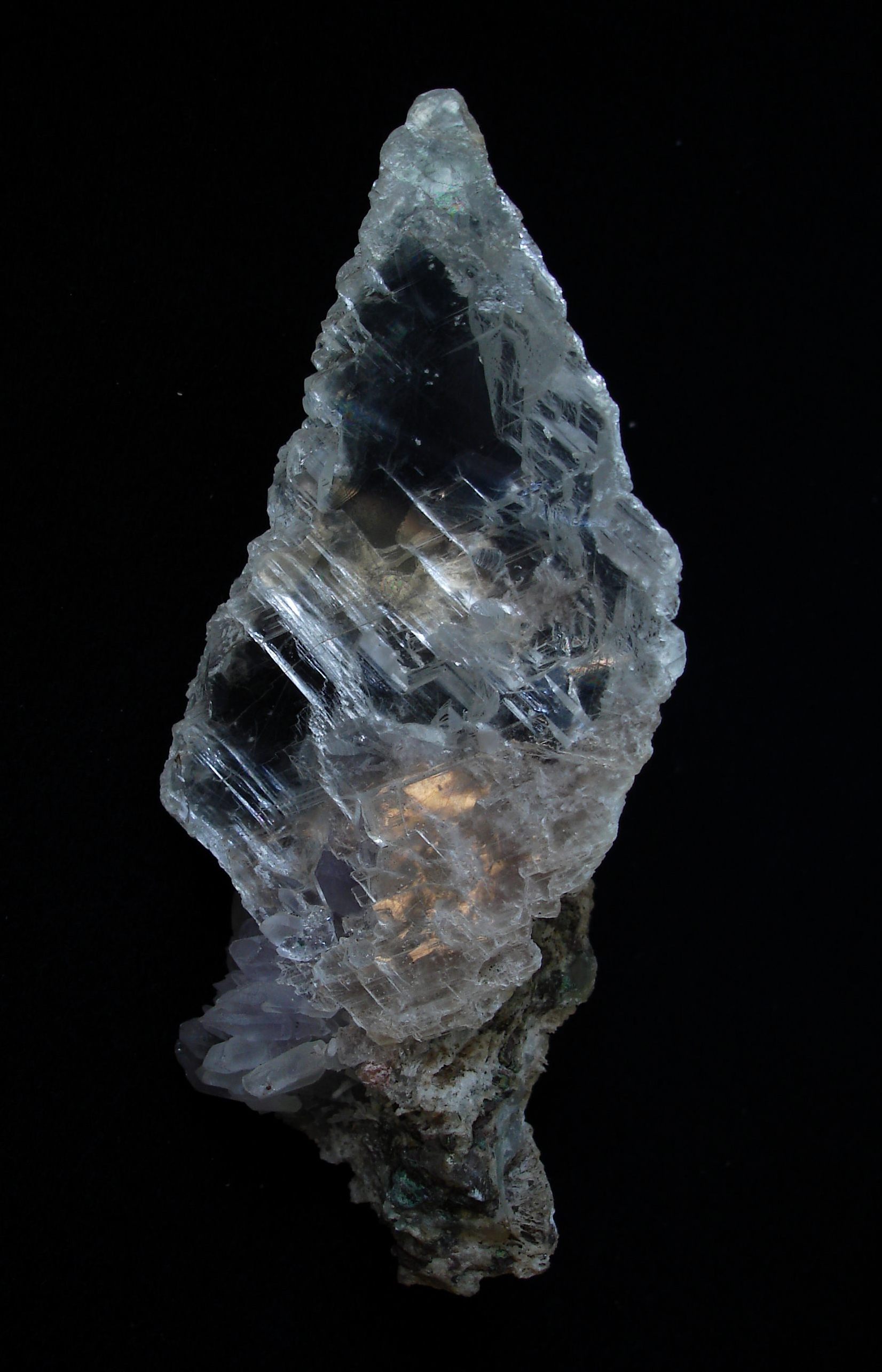
CaSO₄·2H₂O
Clear selenite, silky satin spar and desert roses introduce the many appearances of soft gypsum.
Explore the guide
Reference guide · Feldspathoid minerals
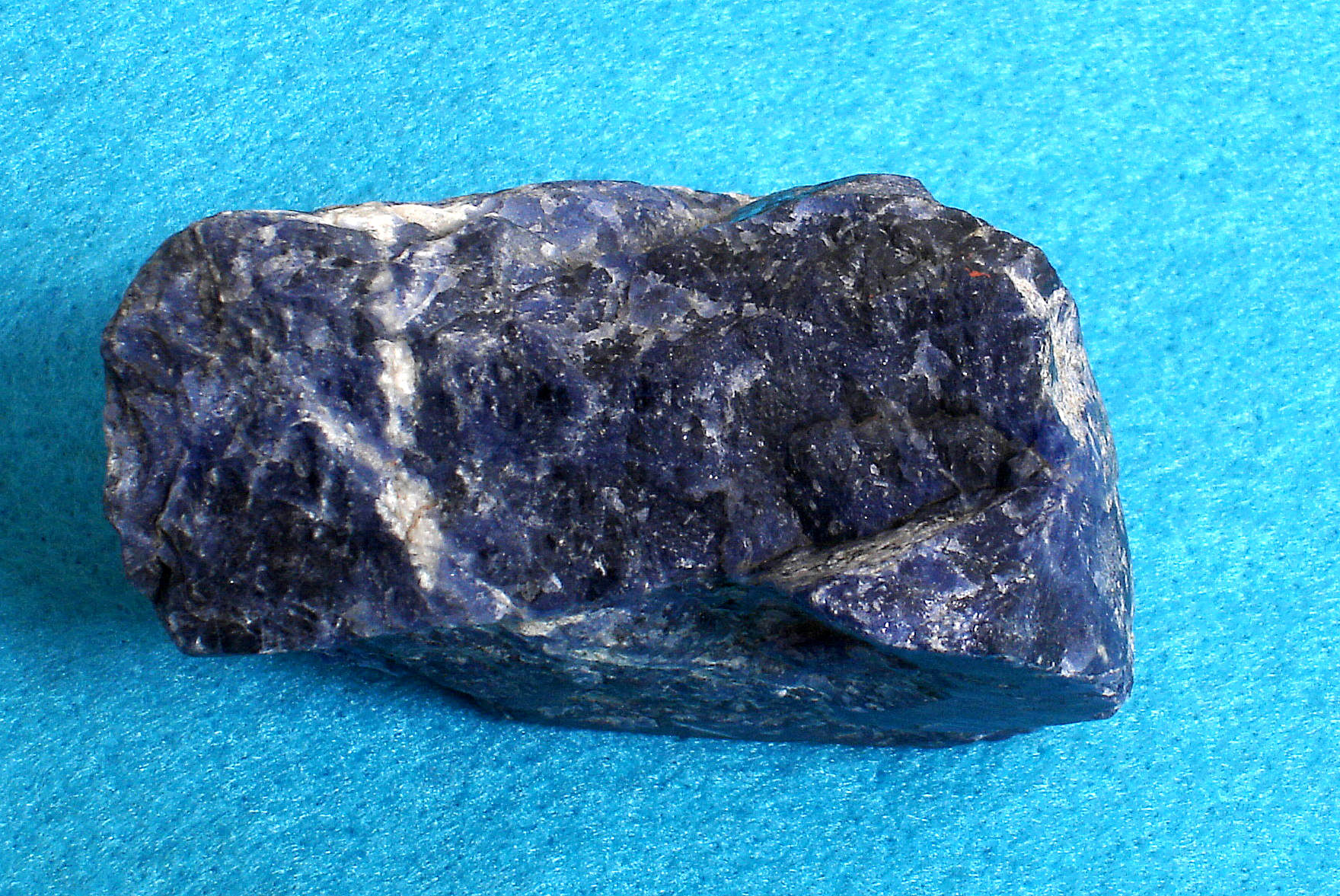
Na₈Al₆Si₆O₂₄Cl₂
Often blue with pale patches, sodalite makes a useful comparison with lapis lazuli.
Explore the guide
Reference guide · Carbonate minerals
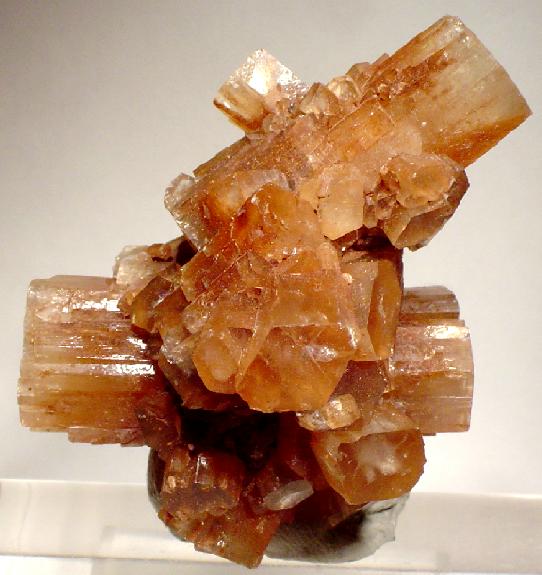
CaCO₃
Needles, radiating clusters and twinned prisms show another way calcium carbonate can grow.
Explore the guide
Reference guide · Garnet group
Fe₃Al₂(SiO₄)₃
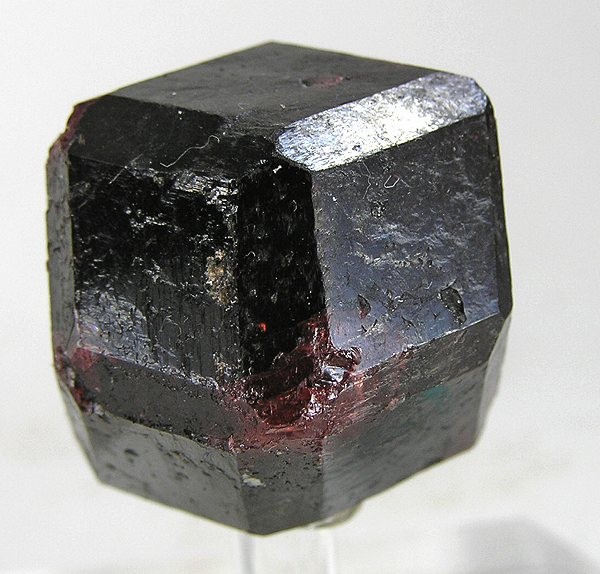
Dark red almandine introduces the garnet group and its striking many-faced crystals.
Explore the guide
Reference guide · Beryl family
Be₃Al₂Si₆O₁₈
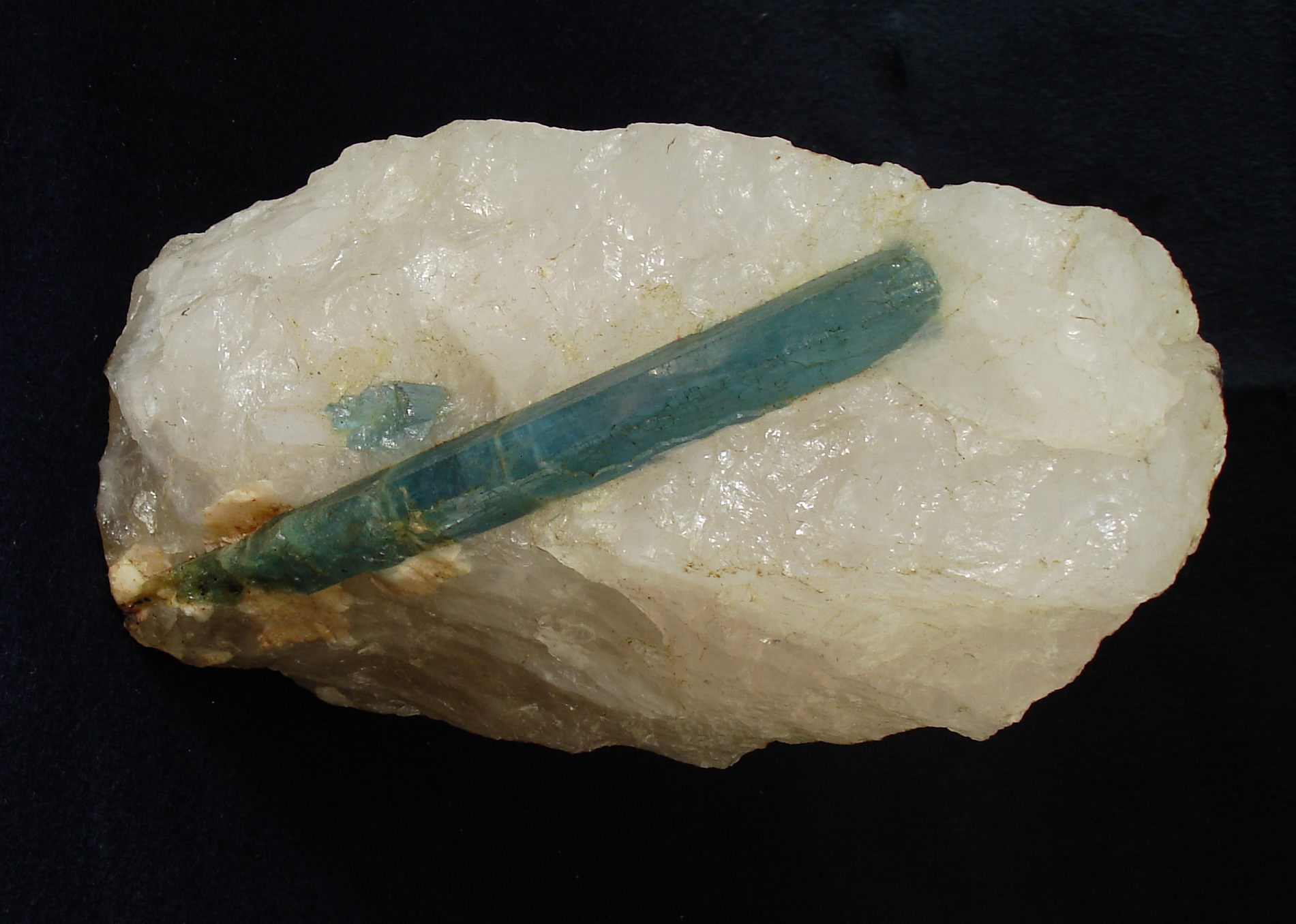
Blue to greenish-blue beryl connects aquamarine with its green relative, emerald.
Explore the guideCrystal care: cleaning, storage, sunlight and heat →
Buying crystals: labels, treatments and seller questions →
Look closer · Compare the clues
Learn what separates these stones, and what a photo cannot prove.
Comparison guide
Compare obsidian, black onyx and hematite using photos, lustre, hardness and identification clues. Learn what colour, banding and a magnet cannot prove.
Compare the clues →Comparison guide
Compare crystal shape, cleavage and hardness, and learn why purple colour alone cannot separate amethyst from fluorite.
Compare the clues →Comparison guide
Understand naturally coloured citrine, heat-treated amethyst and treatment disclosure without relying on a photo-only real-or-fake test.
Compare the clues →Comparison guide
Compare quartz and calcite using existing faces, break patterns and reference hardness, with an observation-first approach for beginners.
Compare the clues →Comparison guide
Compare sodalite and lapis lazuli through blue areas, pale patches and metallic flecks, while keeping colour clues separate from a confirmed identification.
Compare the clues →Comparison guide
Calcite and aragonite are both CaCO₃, but differ in crystal structure, hardness and cleavage. Compare their key properties, photos and identification limits.
Compare the clues →Comparison guide
Compare clear gypsum, often called selenite, with quartz through hardness, cleavage and visible form, and learn where satin spar fits.
Compare the clues →