Observe
Make a specimen record
Keep the label, visible features, a sketch and unanswered questions together.
Download observation sheet (PDF, A4) ↓
Quartz family · Collection guide
Look for purple colour that may deepen toward crystal tips or appear in distinct zones.
Amethyst is purple Quartz; its colour involves iron-related centres and natural irradiation in the crystal.
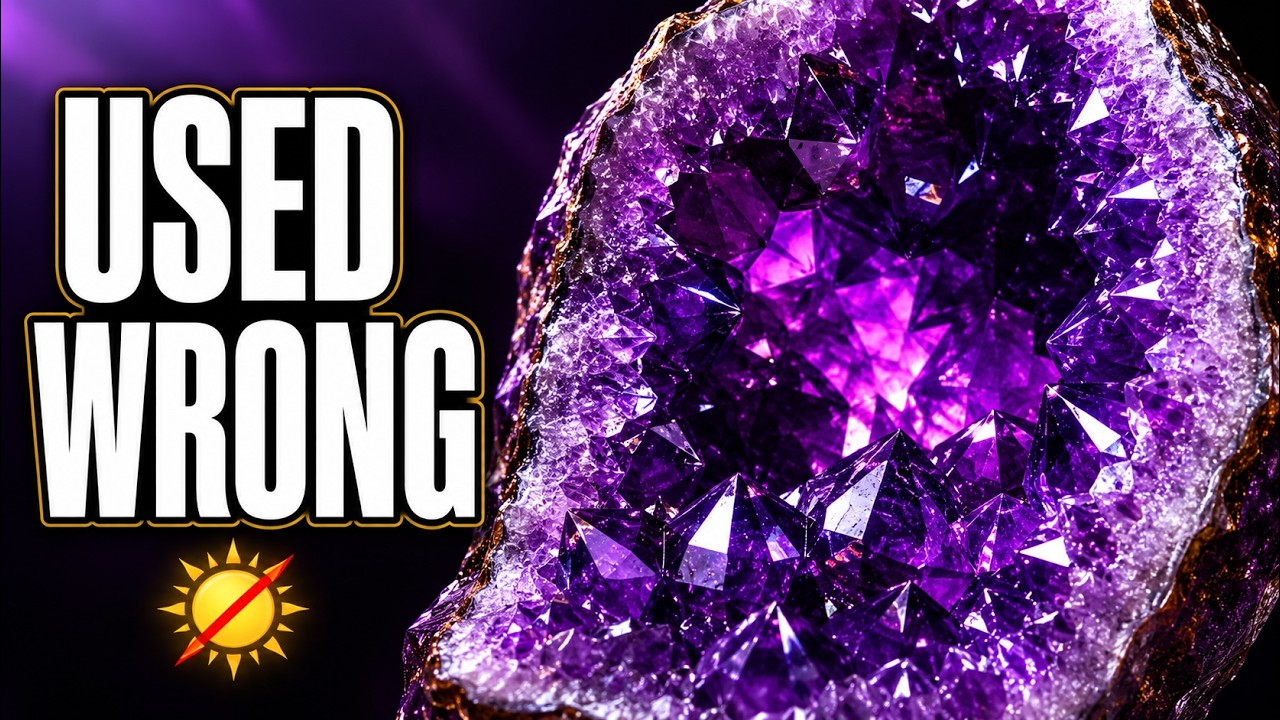
Use warm soapy water and keep it away from prolonged strong sunlight or high heat.
Read the full crystal care guide →From Rock & Crystal Secrets · YouTube Short · 1:40
Explore the science behind our Amethyst video, clarify the heat-treatment story and learn how to care for your specimen.
The video may show a different specimen. Compare what you see with this page’s identification and care notes.
Our collection · A closer look
Explore our specimen labelled Amethyst through colour, reflections and its uneven outline. Each number marks something visible in this photograph; it does not confirm a mineral identification.
The left-hand body appears deeper purple than much of the right-hand side. Describe that contrast first: lighting and the amount of material the light passes through can affect what the photograph shows.
Several pale, bright patches lie along the right-hand surfaces. The image alone cannot separate reflections from all the lighter material beneath them, so avoid calling every pale patch a different mineral.
Near the bottom, pale material contrasts with the purple body above. Follow the visible boundary without assuming the pale area has a different composition.
Write down the darkest purple area, the palest area and one feature you cannot explain from this view. If you have your own specimen, turn it gently under ordinary room light and check which bright patches change.
Get the free observation sheet →This view does not establish hardness, origin or colour treatment. The irregular shape does not give us enough evidence to label a particular edge as cleavage or a natural crystal face. We retain the supplied collection label.
Compare amethyst and purple fluorite →Look a little closer
Follow a crystal from its base to its tip. Is the purple evenly distributed, or does it collect in deeper zones?
Amethyst is traditionally associated with calm, reflection, clear thinking, and sobriety.
These are cultural or spiritual associations, separate from mineral science. They are not demonstrated health or financial effects.
Purple colour alone cannot distinguish Amethyst from purple Fluorite or coloured glass. Look for the specimen’s growth form and colour zoning. A close comparison can suggest questions, but a photograph is not a laboratory identification.
Further reading: GIA: Amethyst (opens in a new tab)
Practical answers
A shaded shelf is a better choice. Some amethyst fades after prolonged exposure to intense light. Keep it away from heaters and sudden temperature changes too; these can damage a specimen even when its colour looks unchanged.
No. Mohs hardness describes resistance to scratching, not resistance to a knock or drop. Support a cluster by its base and leave space around its points rather than letting it rub against other specimens.
Heating some amethyst can produce yellow-to-orange material sold as citrine, but it remains quartz. A changed colour does not establish the treatment history of every specimen. Ask what evidence supports a seller’s claim of untreated colour.
References checked 18 October 2026. These answers describe the material generally; they do not certify this specimen.
Your next discovery
Build on what you noticed about Amethyst. Choose a next step.
Observe
Keep the label, visible features, a sketch and unanswered questions together.
Download observation sheet (PDF, A4) ↓Understand
Plain-English explanations for the clues you are learning to describe.
Compare
Explore the differences and the limits of identifying stones by appearance.
Watch
Jump to the related videos below. Notice what changes with movement and light.
Choose a related video ↓From Rock & Crystal Secrets
Choose a video about Amethyst, then return to the identification clues above. What can you observe, and what still needs checking?
 0:15
YouTube ShortOct 2025
A quick introduction to amethyst. Continue with its guide and explore the comparison with purple fluorite.
Watch on YouTube (opens in a new tab)Read alongside this video
 4:24
YouTube videoAug 2026
Explore amethyst’s suggested place in the home. Pair it with the guide’s identification clues and care advice.
Watch on YouTube (opens in a new tab)Read alongside this video
Videos explore this crystal topic; they may show different specimens. Traditional meanings are presented separately from scientific identification.