01 · Read the clues
Treatment is different from imitation.
Heating changes colour; it does not turn quartz into glass or plastic. A heat-treated quartz stone and a glass imitation are different things. A clear description should say what the material is and disclose known treatment, rather than using “real” as a substitute for both answers.
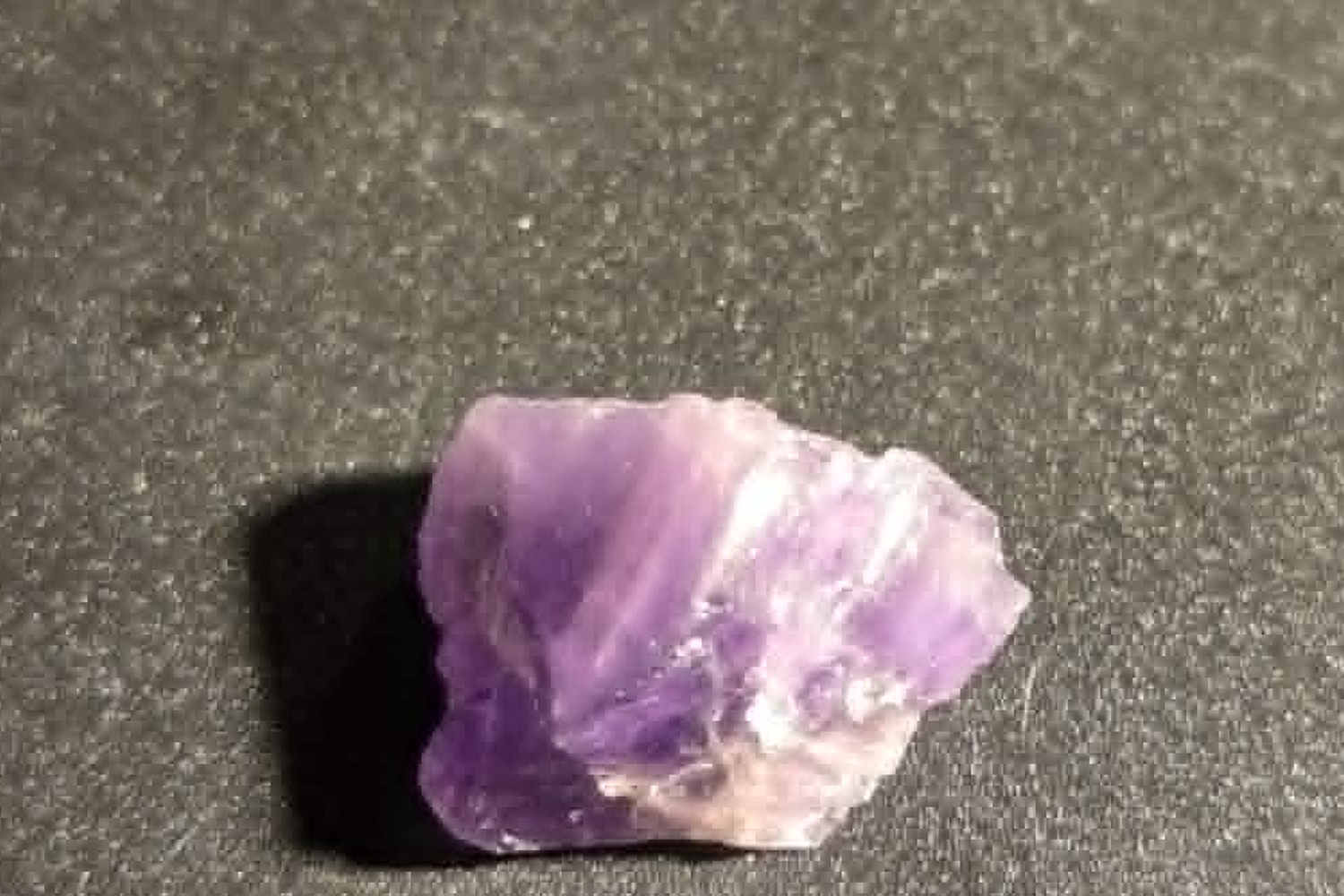
This is why the title can be misleading if read as two entirely different minerals. Amethyst and citrine are quartz varieties. Here we compare naturally coloured citrine with material whose colour was produced by heating amethyst.
02 · Read the clues
Use colour as a description, not a verdict.
Photograph a piece in ordinary light and describe where its colour sits. Note pale areas, darker tips and cloudy sections. Camera settings, lighting and thickness can change its apparent colour, so keep the original photo and written notes together.
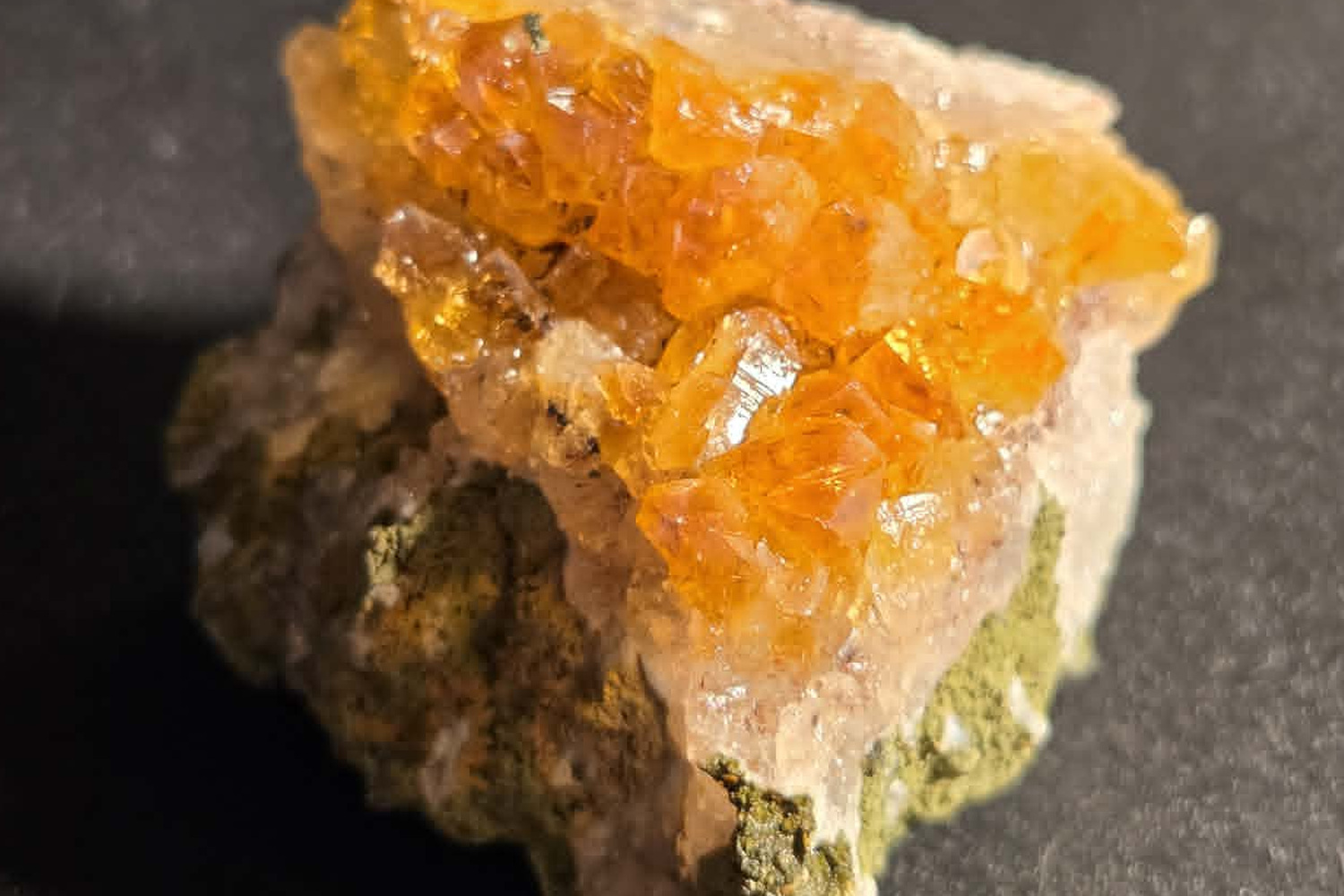
Do not turn one clue into a rule such as “orange means heated” or “pale means untreated”. Our Citrine photograph shows a labelled collection specimen with unverified treatment history. We cannot authenticate its colour origin from the picture.
03 · Read the clues
Ask a better question before buying.
Ask the seller: “Is this quartz, and has its colour been altered by heat or another treatment?” Keep their answer with the receipt. If an untreated claim affects the price, ask what evidence supports that claim and whether a relevant report exists.
A seller’s description records a claim; it is not independent proof. For a valuable purchase or a firm answer, ask a qualified gemmologist what can be established for that particular stone. Some questions require more than routine visual inspection.
Try it without damaging a stone
A one-minute observation
Write two separate lines for the Citrine photograph: “What I can see” and “What I have been told”. Put the yellow-orange colour in the first line, the collection label in the second, and leave treatment history as unknown.
Can a scratch test show whether quartz was heated?
No. Both are quartz with a reference hardness of 7. Scratching risks damage and does not answer the colour-treatment question. Do not try heating a stone yourself to investigate its history.
Sources and further reading
Checked 4 October 2026. General mineral information supports these comparisons; collection labels are not laboratory identifications.